
Enjoy
our gifts

Spanish Paprika
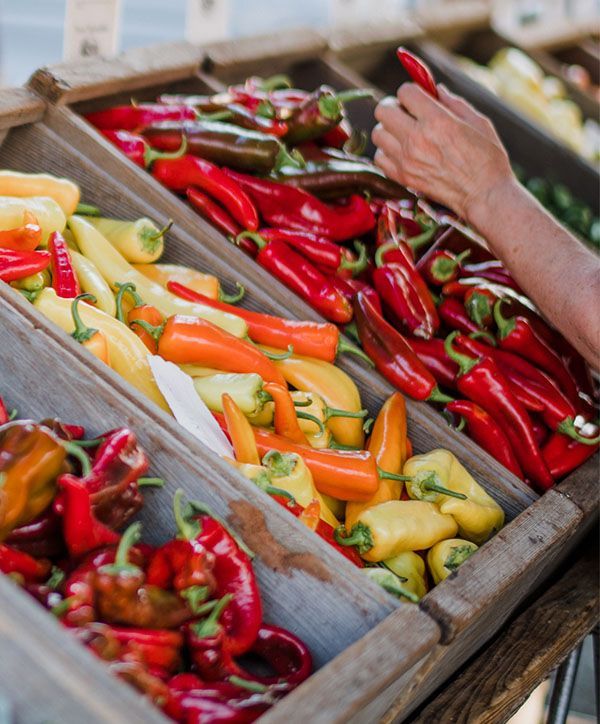
Spanish paprika is unlike any other. Hungarian paprika is often known for its sweetness while Spanish paprika is loved for its smokiness. From the type of peppers to the smoking and milling methods, the recipe for making Spanish pimentón has been guarded for hundreds of years.
Paprika is so vital to Spanish cuisine that its production is regulated by quality-control Denomination of Origin boards. There are two main paprika making regions in Spain, La Vera in Extremadura and Murcia. Both regions have are under D.O. control to ensure that the centuries-old process of growing, smoking and grinding the peppers is precisely followed.
Arguably the most popular type of Spanish paprika is that from La Vera, a Spanish county in Extremadura less than 100 miles from the Portuguese border. This is where the Jeronimos monks first created the characteristic technique for making Spanish paprika, a technique that is still used to this day.
In 2008, this region produced more than 2,760 tons of paprika using this ancient process.
Every year, more than 1,000 hectares (nearly 2,500 acres) are planted with peppers. The unique soil and climate of La Vera makes the peppers high in carotene, which gives them their iconic bold red color. From mid September through late October scores of harvesters pick the long, thin peppers by hand.
Spanish paprika is also commonly sprinkled atop many of Spain’s classic dishes like Galician-style octopus (which is boiled, sliced and topped with olive oil, salt and pimentón) and lacón (thin-shaved roasted ham).
More info: https://spanishsabores.com/2015/07/23/a-short-history-of-spanish-paprika/
Spanish Olive Oil
In the country where people consume more than 2.5 gallons of olive oil per year, it’s almost impossible to find a plate without at least a few drops of liquid gold. But when it comes to buying my own olive oil, I quickly realized there was quite the learning curve.
There are dozens of olive varieties (over 260 it’s said!), a handful of vital quality buzzwords and more than 20 different Denomination of Origin Control zones (similar to the quality control regions in wine) to sort through.
As the world’s largest olive oil producer (we make about 42% of the world’s olive oil– depending on the year), Spain has a huge variety of olive oils to choose from, many of which you can find overseas as well. From spicy and fresh bright green oils to fruity golden oils to processed cooking oils, here’s everything you need to know about Spanish olive oil.
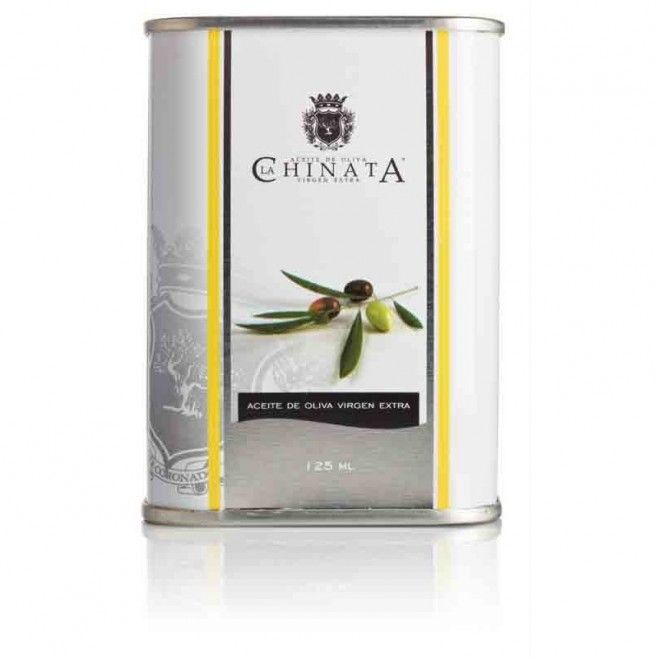
Extra Virgin olive oil is the créme de la créme of olive oil and thus comes with a slew of requirements.
The olives have to be pressed less than 24 hours after harvest using either a traditional press or a centrifuge system (the most common these days as the presses allow for bacterias that could ruin the oil). No chemicals can ever touch the oil and it must be 100 percent olive juice, no additives. It also cannot be heated above 27° C (80.6°F), which is the maximum temperature it would reach during the centrifuge process. Extra virgin olive oil can’t have any defects in color, smell or taste (defects are tested for by a panel of experts) and has to have an acidity below 0.8 percent (though most are actually under 0.3 percent).
You’ll often see words like “cold-pressed,” “all-natural,” or “unrefined” on extra virgin olive oil labels, all of which are superfluous! If it is really extra virgin oil it, by law, has to be all of those things.
Only extra virgin oils can be sold under Denomination of Origin Control labels, which like DOCs for Spanish wines, regulate quality and are tied to geographical regions.
More info: https://spanishsabores.com/2015/10/25/all-about-spanish-olive-oil/
